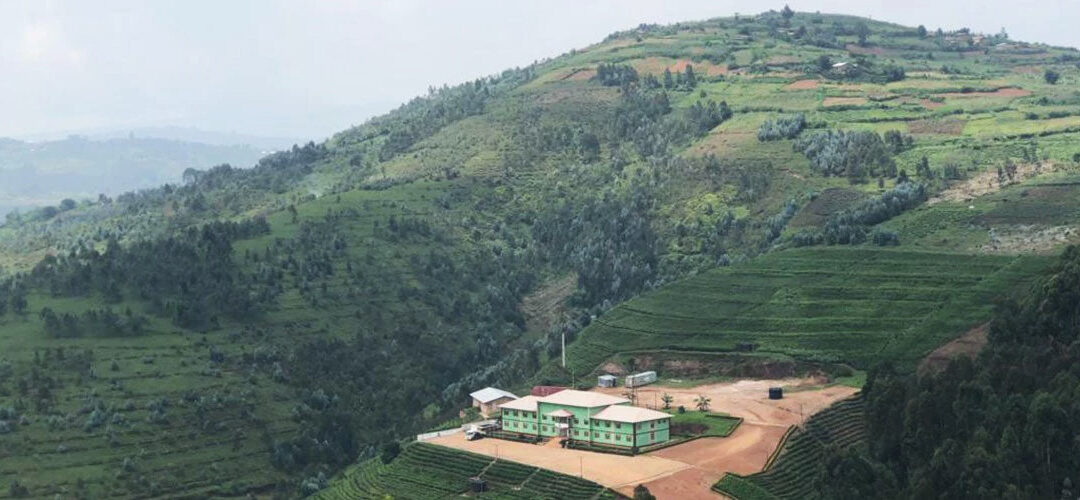
Burundi, a beautiful country with thousands of hills, is losing its natural capital at an alarming rate due to climate change. The country is carved of green hills where 90 per cent of the population lives and grows. It rains nine months a year and waterfalls flow freely throughout the country. The 2017 Environmental Country Analysis (EPA) for Burundi revealed that the country loses 1.6% of its GDP each year due to land degradation. A new joint report of the World Bank and the Government of Burundi Combating Climate Change, Land Degradation and Fragility: Diagnosis of Climate and Environmental Fragility Factors in Burundi Hill Landscapes – Towards a Multisectoral Investment Plan to Strengthen Climate Resilience Notes that Burundi loses 5.2 per cent of its land area annually due to land degradation since 2020. The National Development Plan (PND) aims to restore 16 per cent of degraded land to its former agricultural productivity. However, given climate change, this target is far from sufficient to curb the 200 per cent increase in land degradation projected throughout the country by 2050, including in 118 hills of the country identified as areas at risk of soil erosion.
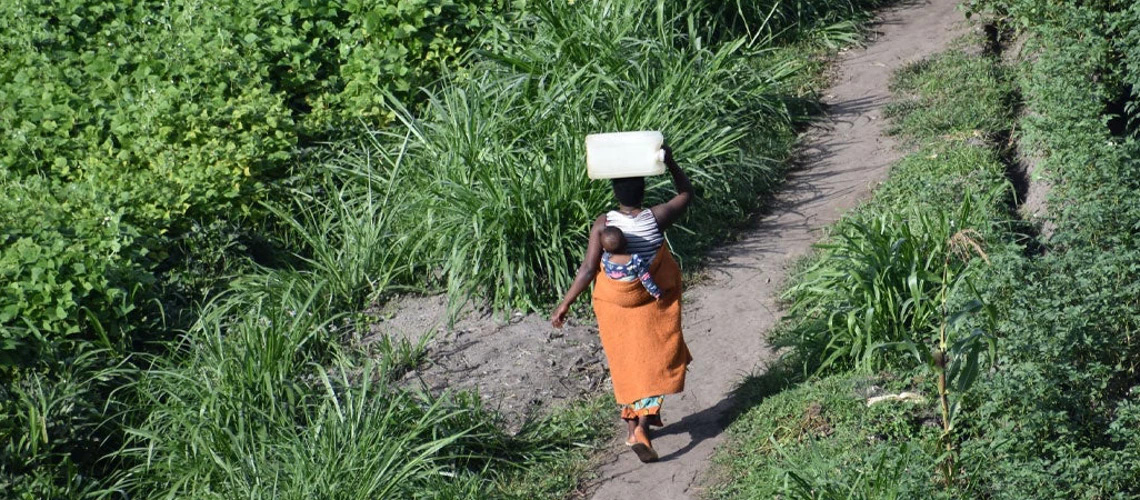
The intensification of episodes of heavy rainfall followed by landslides only worsens the situation, degrading the rare earths and creating tensions within communities, pushing families to fight for access rights to land and disrupting social cohesion in this fragile post-conflict country. In Burundi, more than 85 per cent of cases brought before the courts concerned land ownership disputes. Climate change is a threat multiplier that locks Burundian hill communities in a vicious circle of fragility and vulnerability to poverty, land degradation, loss of livelihoods and unemployment.
In the context of Burundi, urgent investment is needed at the national level to restore the country's landscapes, which are rapidly deteriorating as a result of climate change, guarantee land rights and restore the productivity of agricultural land. An integrated process of sustainable landscape management should be adopted to at the same time strengthen the resilience of fragile communities and the livelihoods of rural populations in the face of the intensification of climate-related shocks (mainly land slides, floods and storms), while providing essential investments in communities that are short of money and opportunities that are shaken by the impacts of shocks, through work for compensation, digital cash payments and access to alternative livelihoods that generate income and new green value chains outside of rainfed agriculture.