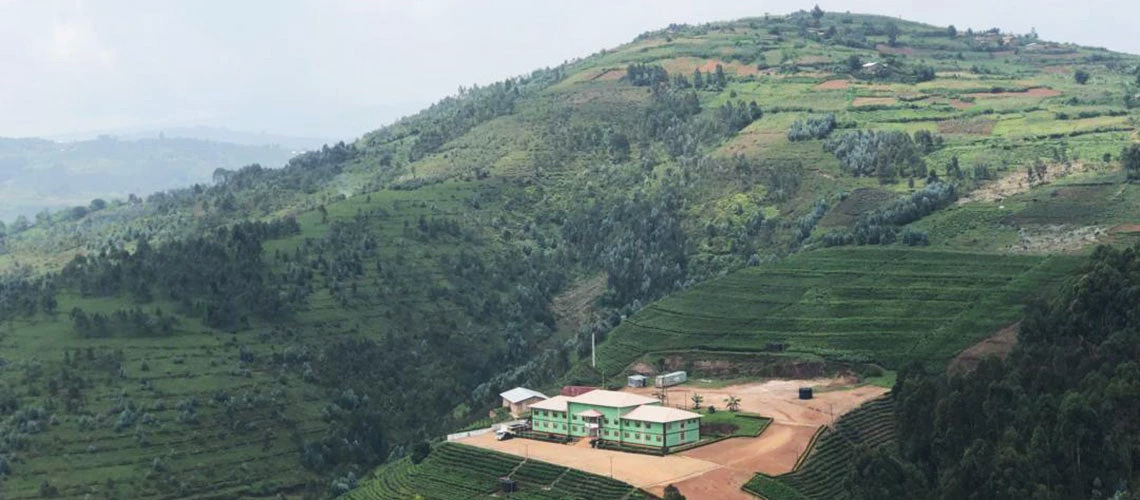
Burundi is plagued by the effects of climate change. The latter are manifested through natural disasters, including floods, torrential rains, violent winds or prolonged dry season. Over the past three months, natural disasters have caused enormous damage. Torrential rains, floods, landslides and violent winds repeatedly damage homes, schools, hospitals, roads and other infrastructure. The country has a normally high rainfall punctuated by intense temperatures.
Experts and governments in the South are responsible to developed countries for greenhouse gas emissions. The Burundi emit less than 0.02% of the greenhouse gases (GHGs) that contribute to global warming. However, the country is ranked the 20 most vulnerable countries of climate change in the world. Worse still, it presents an absolute vulnerability to the effects of climate change.
According to the World Bank, an overwhelming majority In Burundi, 99% of the population do not have the capacity to adapt to the effects of climate change. The greatest vulnerability to these risks is entirely due to the impact of GHG warming without climate finance to offset their impact.
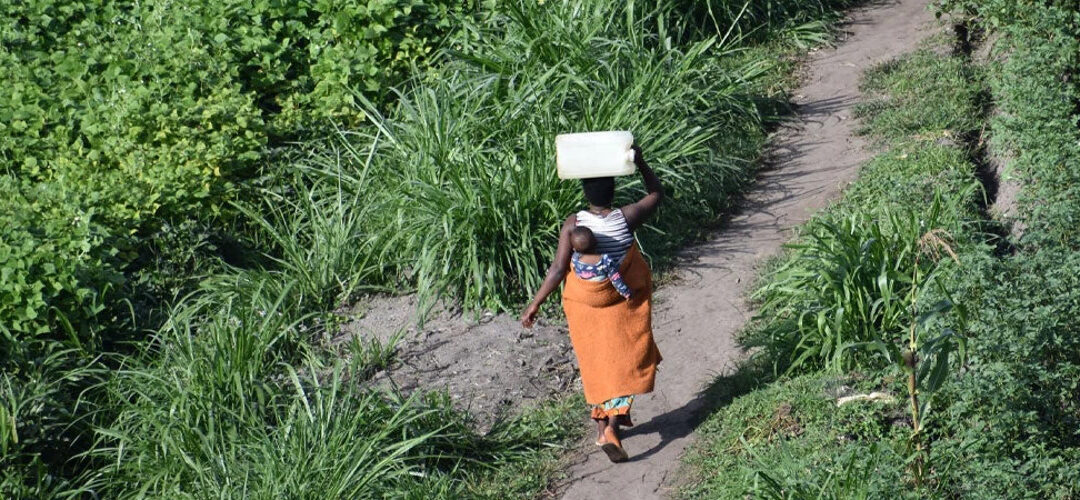
Climate risks pose a continuing threat to all sectors of the country, including agriculture, livestock, fisheries, the environment, ecosystems, health, forestry, energy, infrastructure, human settlements and water resource management. The impacts of climate change – mainly floods and landslides – are the main factors of internal displacement, disproportionately affecting women and children living in the hills of Burundi.
The effects of the climate phenomenon due to El Niño (a climate phenomenon characterized by abnormally high temperatures in the southern Pacific Ocean) are already noticeable and will continue until 2024.
The increase in temperatures does nothing good. It will cause heavy rainfall in most East Africa in general and Burundi in particular, alert the experts.
Great evils, great remedies, they say. In addition to efforts to increase the country ' s economic development, it would be desirable to mobilize funds to address climate change.